
How Yiwu Order Consolidation Works for Multiple Suppliers
Yiwu buyers often place small orders with several booths instead of filling one container from one factory. Those suppliers may finish on different dates, use different carton marks and deliver incomplete paperwork. A consolidation warehouse turns those separate arrivals into one controlled shipment.
Article focus
Sea freight, air freight, Incoterms, and logistics tips for shipping products from Yiwu worldwide.
Best for
Best for buyers who already have suppliers and need to decide how goods should move.
Overview
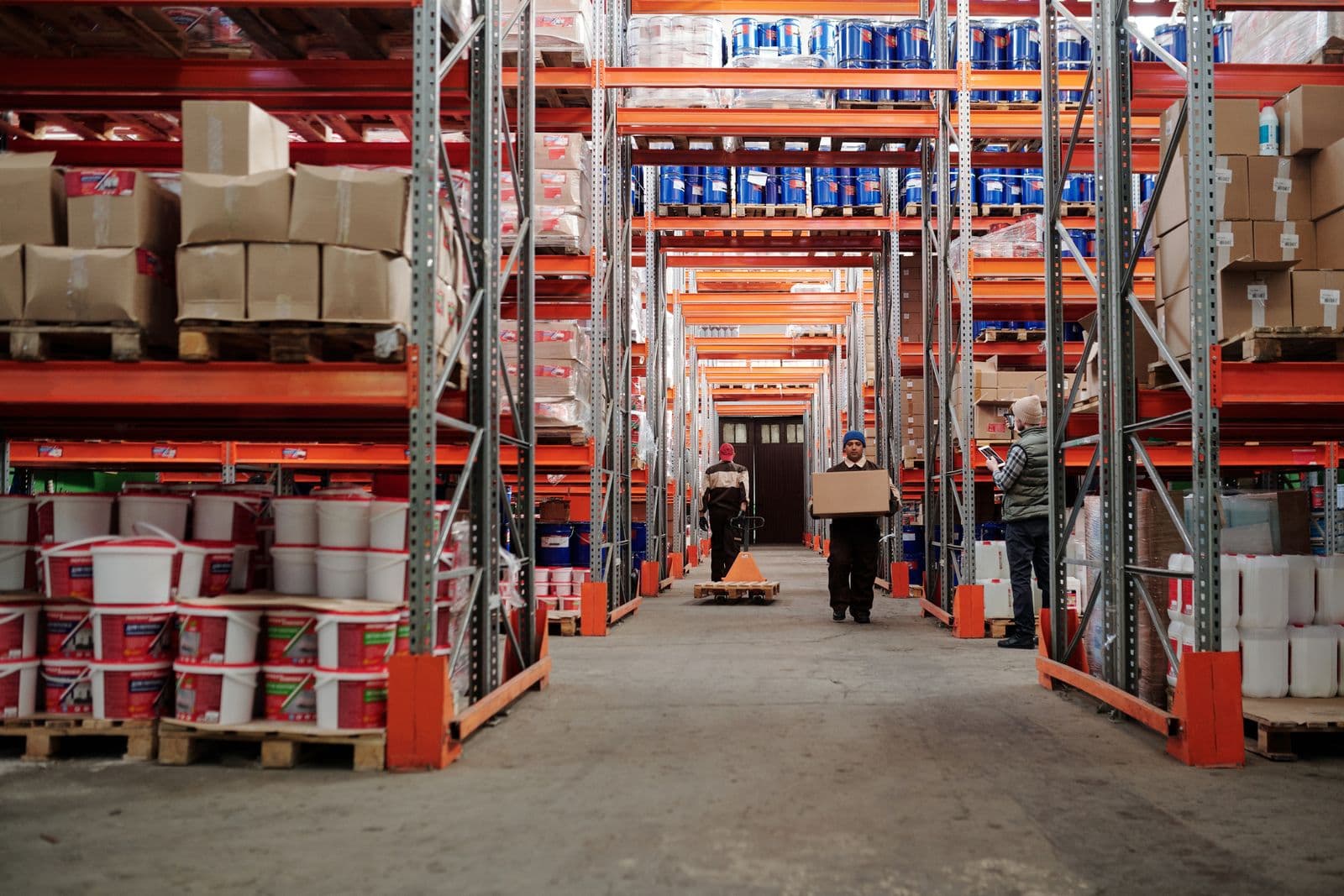
The warehouse is not simply a place where boxes wait. Someone must identify each delivery, count cartons, report shortages or damage, keep unlike orders separate, confirm final volume and weight, and provide clean shipment data. If nobody owns those checks, consolidation can hide mistakes until the cargo reaches the destination.
Quick answer
How do buyers consolidate orders from multiple Yiwu suppliers?
Give every supplier the same warehouse address, delivery reference and carton-mark instructions. The warehouse records arrivals against a purchase-order list, reports carton count and visible condition, keeps SKU records, and performs any agreed checking, labeling or repacking. After all approved goods arrive, it measures the final shipment, reconciles documents and releases the combined cargo to the selected freight route.
Continue Learning
Read the full guides
This article is a supporting guide. Start with these in-depth resources for the full picture.
Define the warehouse scope before suppliers start delivering
| Service | Do not assume | What to request |
|---|---|---|
| Receiving | That every carton is opened | Arrival date, supplier, carton count and exterior-condition record |
| Counting | That carton count means piece count | SKU-level count scope and discrepancy procedure |
| Storage | That waiting time is unlimited | Free period, daily or cubic-meter charge and start date |
| Checking | That receiving is a quality inspection | Separate inspection checklist, sample size and report |
| Repacking | That it is automatically included | Labor, materials, carton specification and approval rule |
| Shipping data | That supplier estimates are final | Warehouse-measured carton dimensions, weight and packing list |
How to apply this
- Create one master order list — Include supplier legal or trading name, contact, purchase order, SKU, expected pieces, expected cartons, completion date and amount already paid.
- Assign delivery references — Give each supplier a purchase-order code and carton-mark format that the warehouse can recognize without opening every carton.
- Confirm the receiving scope — Decide whether the warehouse records only carton count and visible damage or also opens cartons, counts pieces, photographs SKUs or performs quality checks.
- Track arrivals separately — Record delivery date, cartons received, visible condition and discrepancies for each supplier. Do not mark an order complete merely because a truck arrived.
- Resolve shortages before final payment — Compare the warehouse record with the supplier packing list and purchase order while the supplier can still correct the problem.
- Control labels and repacking — Approve any barcode, shipping mark, retail label, carton replacement or removal of supplier paperwork before work begins.
- Measure the consolidated shipment — Use actual final carton dimensions, gross weight and total volume for the freight quote rather than adding early supplier estimates.
- Reconcile export data — Product descriptions, quantities, values, carton count and consignee details should agree across the packing list, commercial invoice and freight instructions.
- Release only approved cargo — Confirm inspections, outstanding supplier balances, warehouse charges, shipment method and destination requirements before loading.
Watch-outs
Mistakes to avoid
- Sending every supplier to the warehouse without a consistent order reference or carton mark.
- Assuming warehouse receiving includes piece counting and quality inspection.
- Paying suppliers in full before shortages or damaged cartons are reconciled.
- Letting goods wait without understanding storage, handling and repacking charges.
- Using estimated carton measurements for the final freight decision.
- Combining products with different compliance, labeling or transport restrictions without checking them first.
If You Want Help
Recommended next move
Appoint one party to own the master order list from supplier delivery through shipment release. Define receiving, counting, inspection, storage, repacking and documentation as separate services with separate evidence. Consolidation saves cost and simplifies shipping only when it also improves control; otherwise it merely gathers several unresolved supplier problems in one building.
Frequently asked questions
- Can several Yiwu suppliers ship to one warehouse?
- Yes. This is common for Yiwu orders. Each supplier needs the correct warehouse address, contact, delivery window, purchase-order reference and carton-mark instructions so the arrival can be identified and reconciled.
- Does a consolidation warehouse inspect the goods?
- Not automatically. Basic receiving may cover only carton count and visible exterior condition. Piece counting, SKU checks, product inspection, labeling and repacking must be defined and priced separately unless the written service scope says otherwise.
- When should I request a freight quote for consolidated goods?
- Use an early estimate for planning, then request or confirm the final quote after the warehouse has the actual packed carton count, dimensions, gross weight and destination details.
- What records should I receive from the warehouse?
- At minimum, request an arrival record by supplier, carton count and condition, discrepancy notes, agreed checking or repacking evidence, final carton dimensions and weight, and the consolidated packing-list data used for shipment.
Keep reading
Related guides
Use these for deeper reading and background before moving into action.
How to Ship Goods from Yiwu China: Complete Shipping Guide
Most buyers only start thinking seriously about shipping after the order feels done. In Yiwu, that is usually too late.
Read guide →Import GuideHow to Import Goods from China: Beginner Guide for Yiwu Buyers
For new Yiwu buyers, importing usually feels simple until the order is ready to ship. Then the real questions start: whose invoice is used, how several suppliers get combined, which shipping term actually makes sense, and what customs in your own country will ask for.
Read guide →Yiwu GuideHow to Buy from Yiwu China: A Guide for International Buyers
Buying from Yiwu is not one decision made at a market booth. It is a sequence: define the product, find and compare suppliers, confirm MOQ and samples, agree on payment terms, inspect the goods, consolidate orders, and arrange shipping.
Read guide →Sourcing GuideDo You Need a Yiwu Sourcing Agent?
Many buyers ask about Yiwu sourcing agents too early, before they understand what problem they are actually trying to solve.
Read guide →Next action
What to do next
Move from reading into the most useful next step for your current stage.