
Yiwu International Trade City Guide for First-Time Buyers
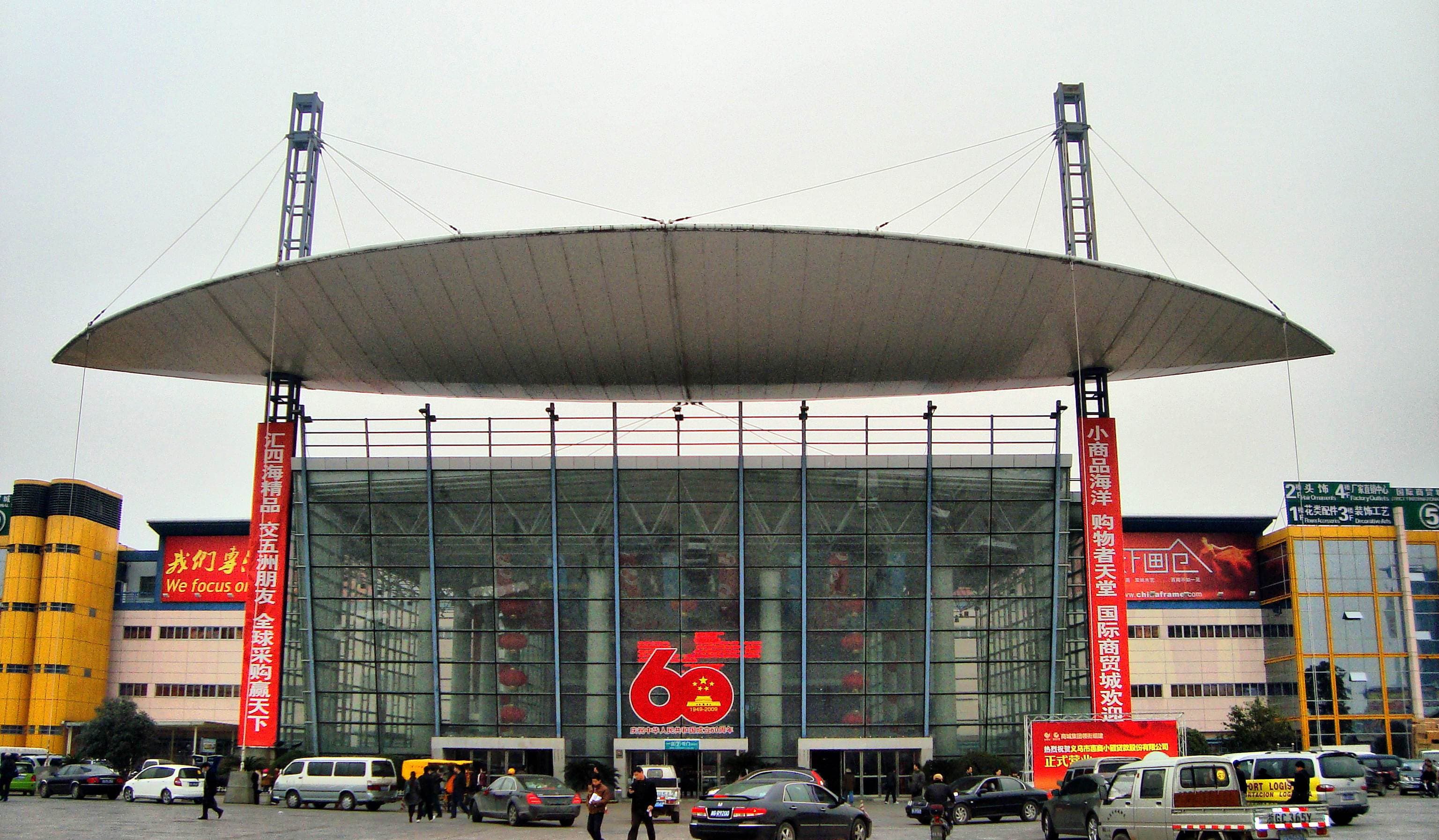
Yiwu International Trade City, widely known as Futian Market, is the main wholesale market complex used by international buyers in Yiwu. A first visit is easier when you settle the practical details before entering: when to go, how many days to allow, which district to start in, and how to record your route.
Introduction
This guide is the planning overview. It covers the shape of a first visit and links to the detailed district, opening-hours, and one-day guides where those questions need more space.
What Yiwu International Trade City Really Is
Yiwu International Trade City, often called Futian Market, is the center of Yiwu's wholesale ecosystem. It is a permanent, district-based market where buyers compare products booth by booth rather than moving between separate factories.
That is the key mental shift. You are not visiting one supplier. You are entering a comparison engine.
Why First-Time Buyers Struggle Here
The market is large, but size alone is not the real problem.
The real problem is decision fatigue. By mid-afternoon, many first-time visitors have seen too many similar products, taken weak notes, and lost track of which booth actually mattered.
- Too many similar suppliers in one day
- Not enough structure in note-taking
- Confusion between interesting products and commercially useful suppliers
- Underestimating how much walking and comparison quality are connected
Why Yiwu Works So Well for the Right Buyer
For consumer products and small commodities, Yiwu offers something most online sourcing cannot: fast pattern recognition.
You can compare multiple versions of a product in one district, understand price bands faster, and build category judgment through direct exposure instead of relying only on listings and promises.
- Wide variety in one city
- Faster in-person product comparison
- Lower-risk entry point for smaller buyers
- Strong local ecosystem around logistics, packaging, and sourcing support
Yiwu is not the answer to every sourcing need, but for first-time consumer-product buyers it is often the fastest place to become less naive.
Choose a District Before You Arrive
International Trade City now spans six districts. You do not need to study all six before a first visit, but you should know which one is most likely to hold your product category.
Use the district guide for the full product comparison or the finder for a quick recommendation. Once in Yiwu, confirm the current floor and gate before setting off; newer areas can change faster than old online maps suggest.
Check Hours and Transport Before Market Day
The market complex runs along the Chouzhou North Road and Futian Road area of Yiwu. Because it spans several districts and many gates, entering only 'Yiwu International Trade City' in a map is not precise enough for a supplier appointment. Ask for the district, gate, floor, and booth number.
Treat opening hours and transport as details to verify, especially around public holidays and trade events. A schedule copied months earlier is not a good reason to risk the first morning of a buying trip.
Keep the market name and your intended district available in Chinese or on a map when taking a taxi. If your trip is sourcing-led, staying near International Trade City also makes early starts and midday note reviews easier.
How Many Days Does the Market Really Need?
Most first-time buyers do better with three serious days than with one rushed day or a week of unstructured wandering.
One day
Enough for one focused category and a first shortlist. Not enough to understand the market as a whole.
Three days
Often the best first-visit shape: one day to screen, one day to compare and revisit, and one day to tighten decisions around samples, packaging, and logistics.
Five to seven days
Useful when you have multiple categories, want deeper supplier comparison, or need to combine the market visit with follow-up meetings or factory checks outside Yiwu.
What Good Preparation Looks Like
Good preparation is not printing out dozens of product photos and hoping for the best.
Good preparation means entering the market with a narrow brief, a note-taking system, and a clear idea of what would make a supplier commercially viable for you.
- Know the category and likely district before you arrive
- Carry reference photos or sample standards
- Know your trial-order quantity, not just your dream order quantity
- Record booth number, quote context, and supplier impression consistently
- Leave room in the schedule to revisit, not just to discover
How Buyers Should Use the Market Day
The best market days are not the busiest-looking ones.
A productive day in Futian Market usually means one district, disciplined comparison, fewer emotional decisions, and enough energy left to review notes properly in the evening.
- Work one district at a time
- Compare before you negotiate deeply
- Take fewer photos and better notes
- Revisit strong booths instead of always chasing new ones
Common Mistakes First-Time Visitors Make
Trying to understand everything on day one
The market is too large for that goal. Good first visits narrow the field instead of trying to finish it.
Collecting too much, deciding too little
A phone full of product photos is not a supplier strategy.
Only comparing price
Price matters, but the real comparison should include MOQ, packaging, export readiness, communication, and repeat-order confidence.
Leaving logistics for later
Freight, carton volume, and consolidation affect whether the market quote is actually usable.
Key Insight
easyiwu Insight 💡
Yiwu International Trade City is easier once you stop trying to conquer it.
The buyers who get the most from Futian Market are usually the ones who simplify their route, shorten their shortlist, and come back the next morning with better questions.
In Yiwu, control beats coverage.
About this guide
Written by easyiwu Team
Based in Yiwu, China, easyiwu creates practical guides to help international buyers understand Yiwu markets, sourcing processes, and China trade.
Frequently Asked Questions
What is Yiwu International Trade City?
It is the main wholesale market complex in Yiwu, organized into multiple districts where buyers compare consumer-product suppliers booth by booth.
How many districts does Yiwu International Trade City have?
It now includes six districts. Buyers should still confirm exact category locations on arrival because the market evolves over time.
How many days should I spend in Yiwu market?
For most first-time buyers, three days is a practical minimum to screen suppliers, revisit strong options, and make better sourcing decisions.
Can I source from Yiwu without visiting every district?
Yes. In fact, most buyers should avoid trying to cover every district. A focused district plan usually produces better results.
Next step
Start Your Yiwu Sourcing Journey
Yiwu International Trade City is not hard because it is mysterious. It is hard because it gives buyers too many options at once.
Once you build a better structure around the visit, the market becomes far easier to use well.
If you want hands-on support preparing or navigating the market, you can submit your sourcing requirements.
Feedback
Was this guide useful?
Related guides
More in Yiwu Guide.
Next action
What to do next
Move from reading into a practical next step for your current stage.